

An Enduring Intellectual Legacy
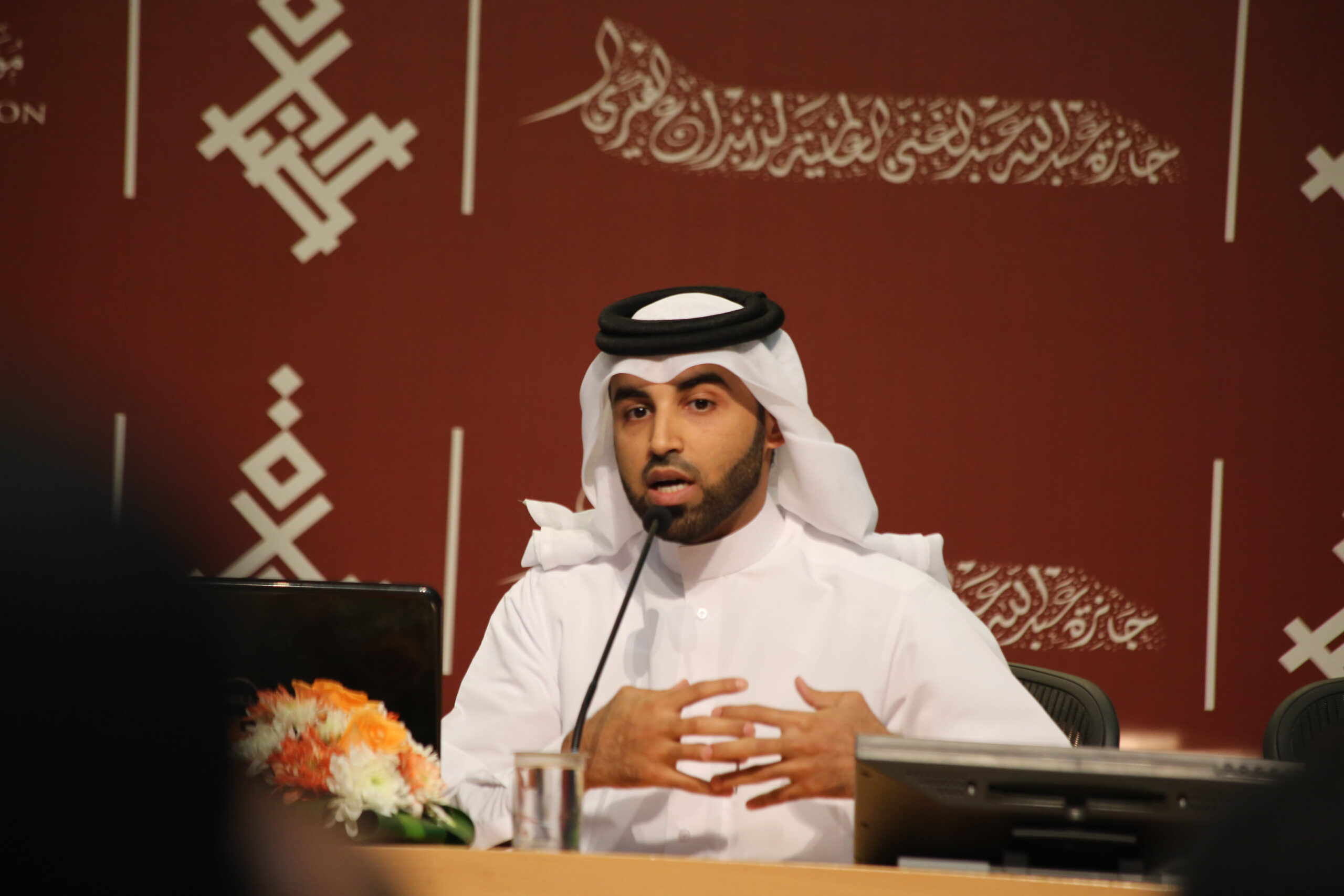
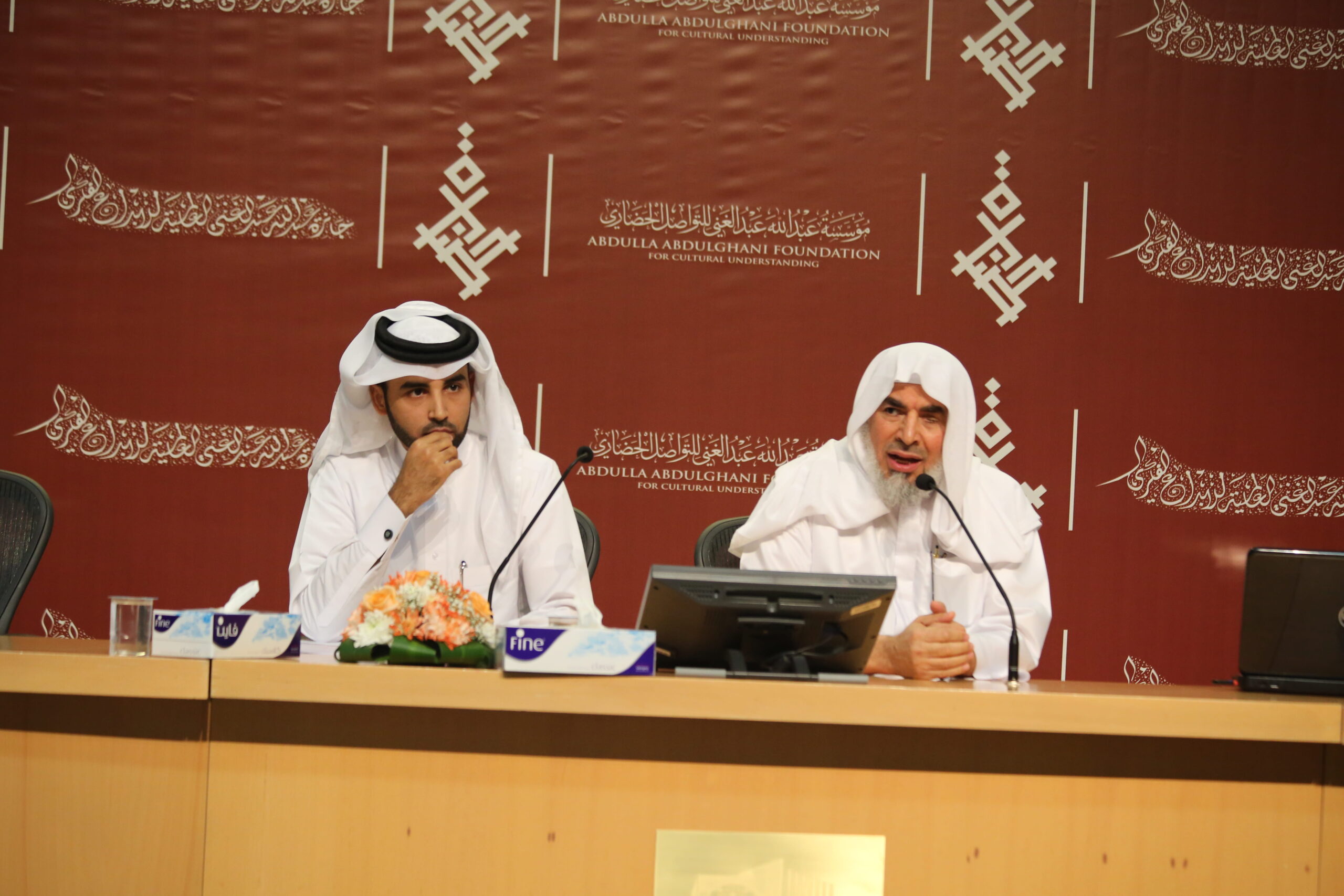
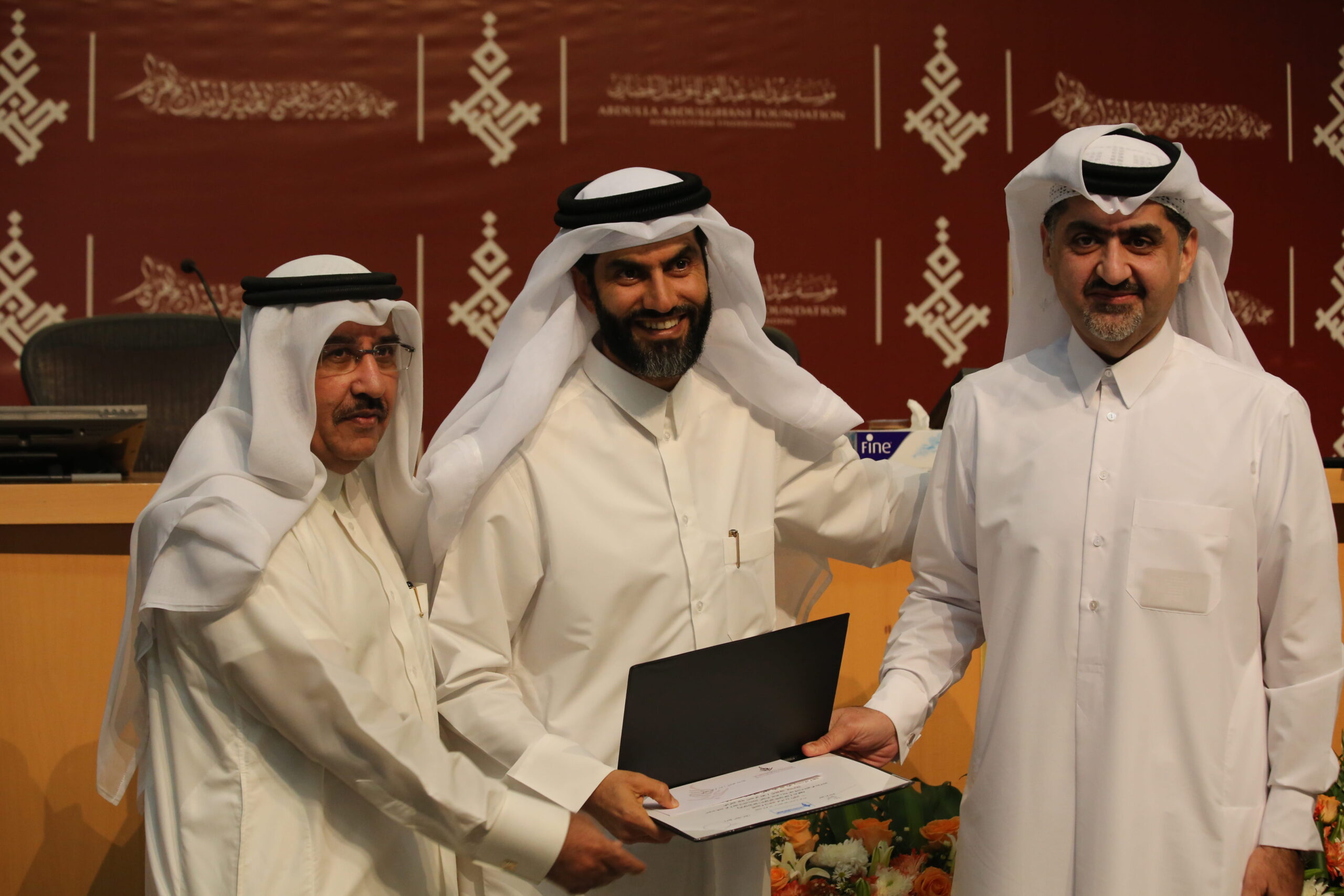
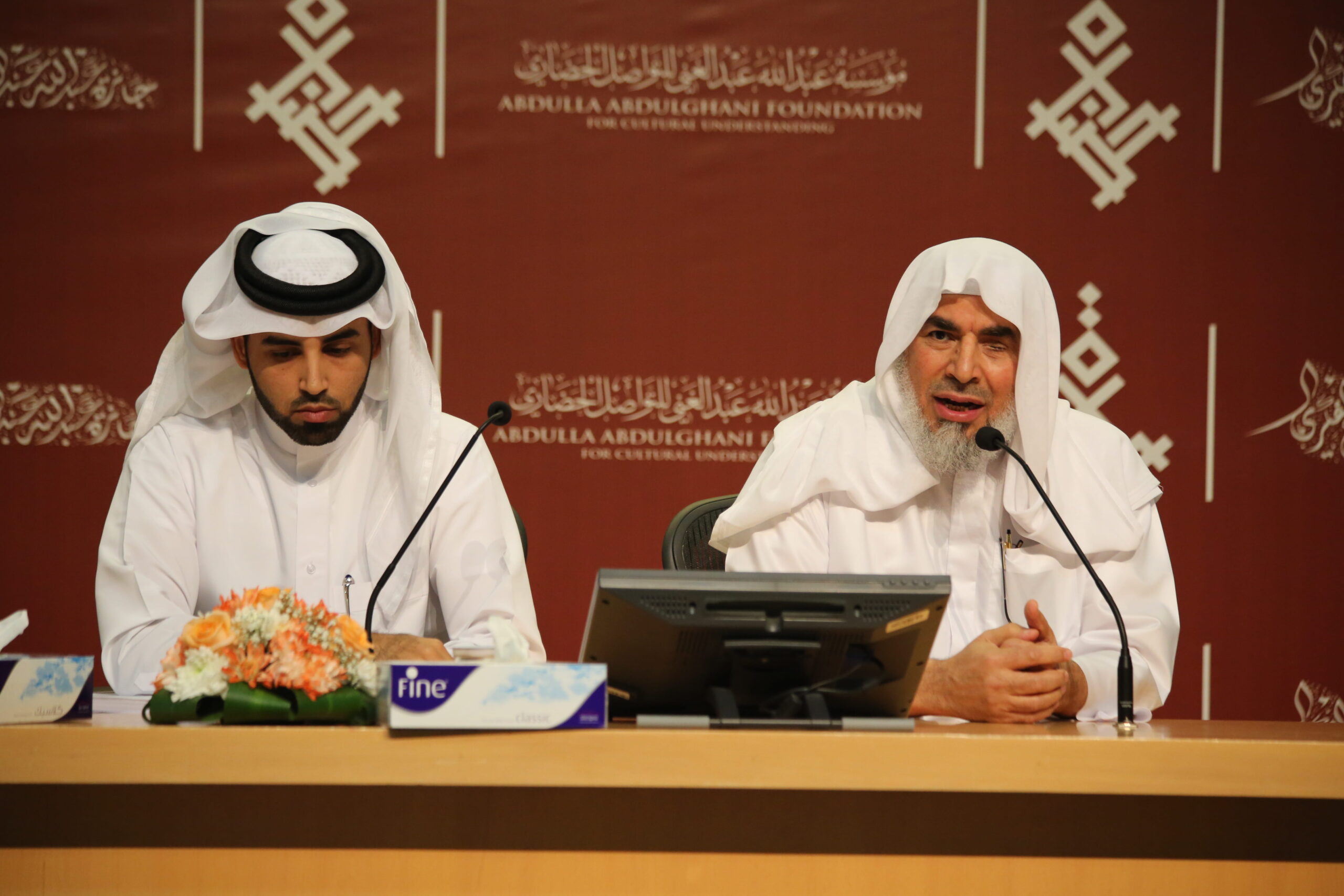
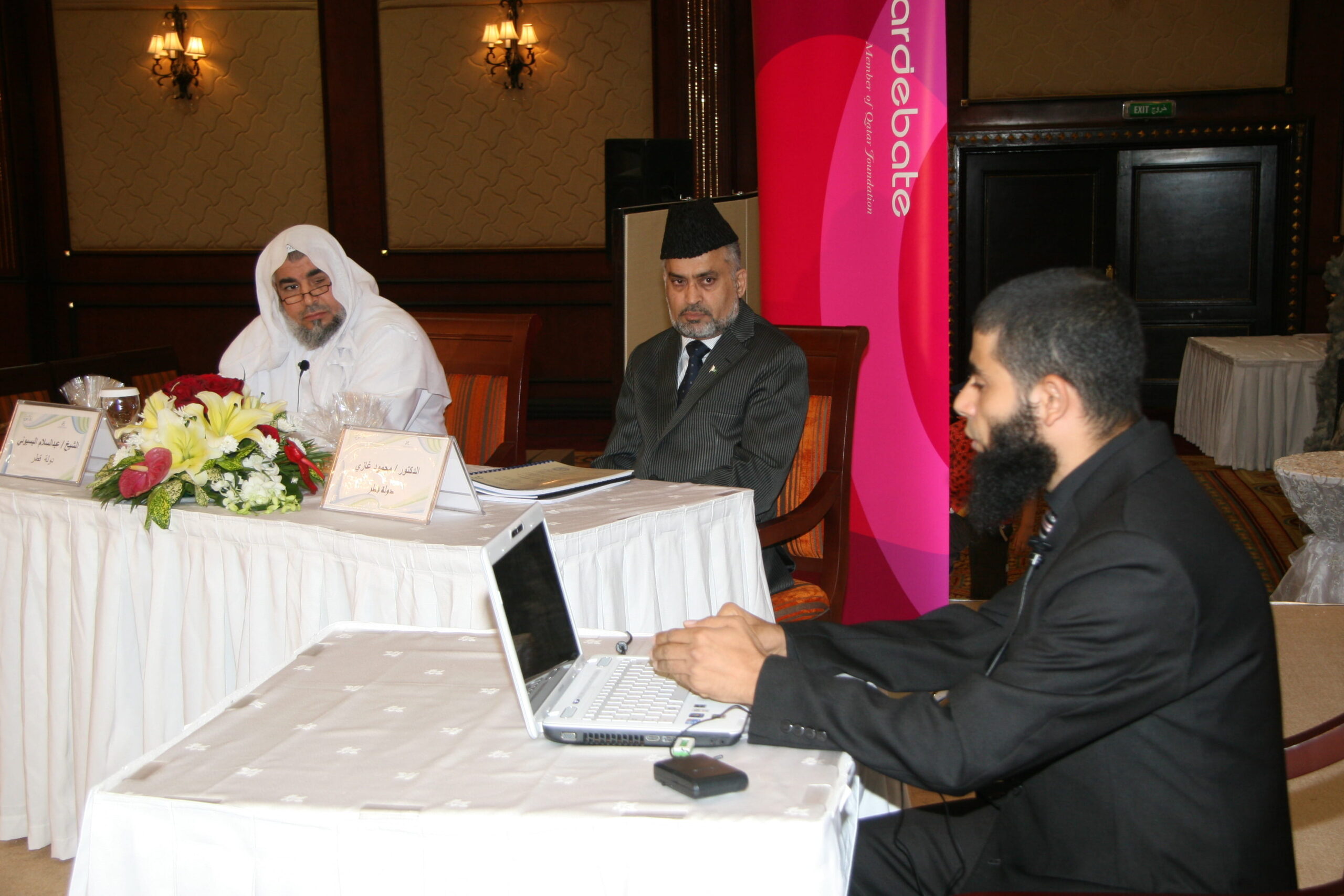
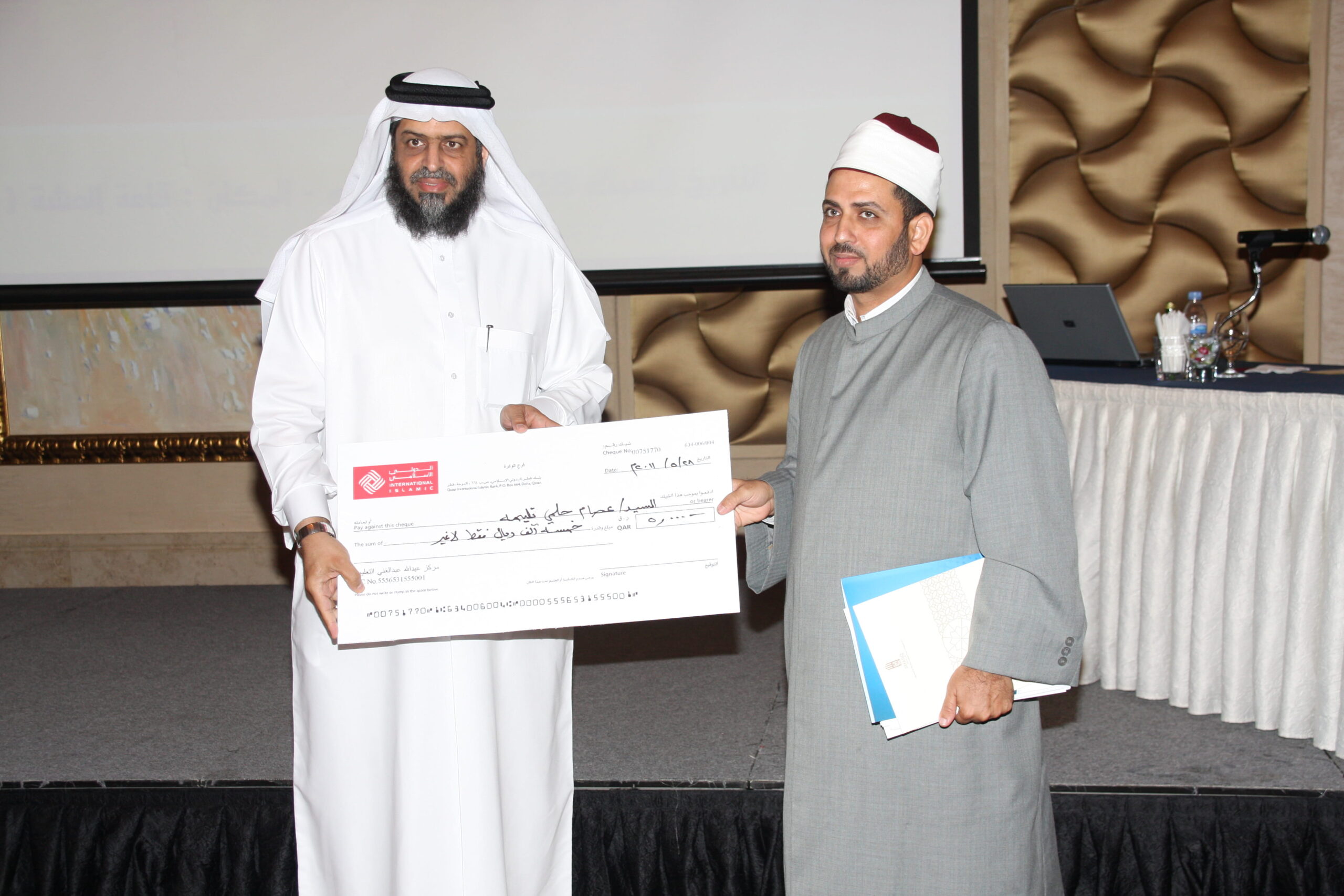
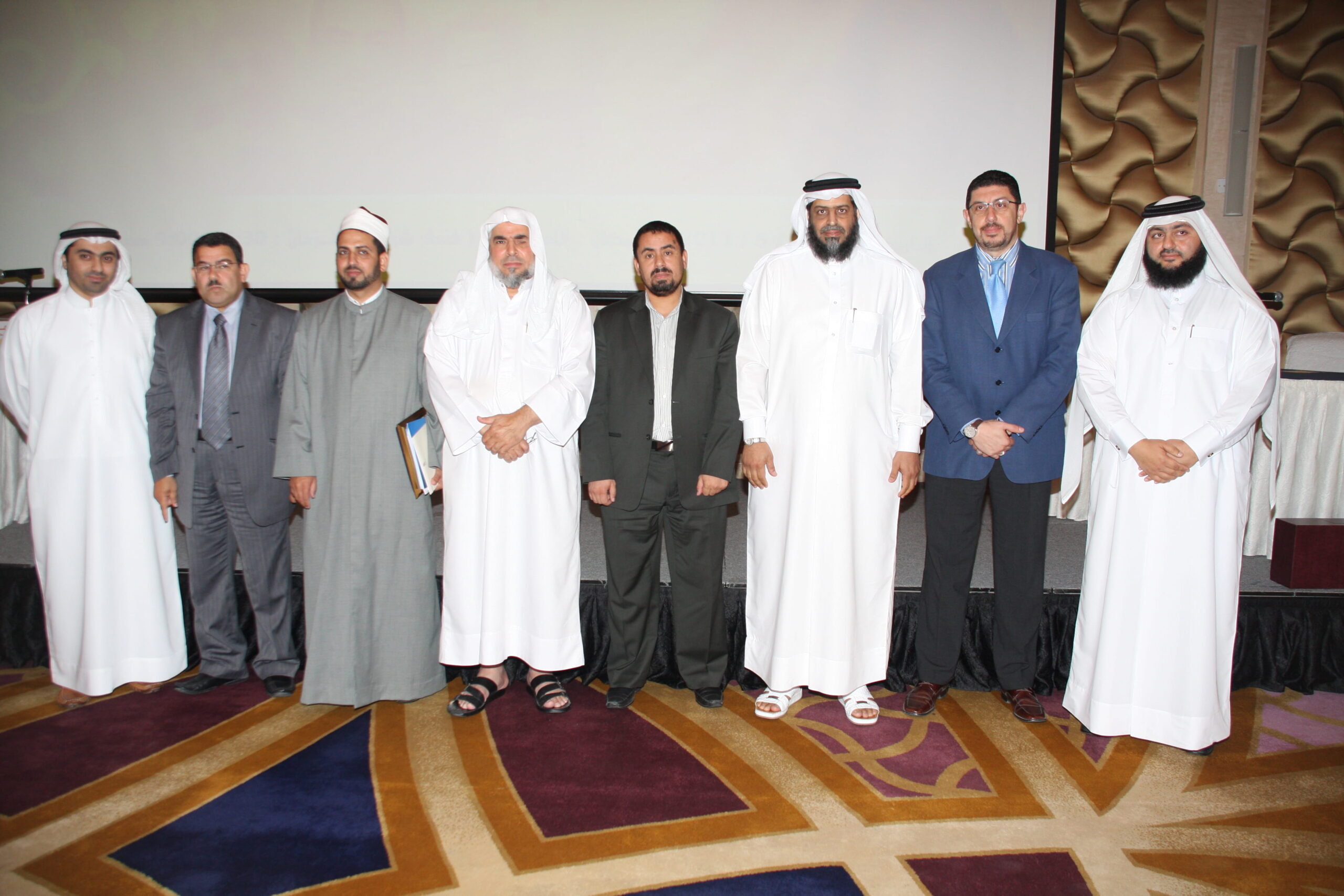
The Abdullah Abdulghani Foundation International Award for Intellectual Creativity is one of the historic pillars in which we take great pride. It is an annual, international, peer-reviewed scientific award, established in 2009 as a pioneering platform to stimulate creative minds and support in-depth renewalist research that serves the intellectual and civilizational causes of the Ummah — placing the State of Qatar at the heart of the global knowledge movement.
Award Objectives
- Supporting the Foundation's programs, aspirations, and cultural directions that serve the interests of Qatar in particular and the Ummah as a whole.
- Shaping sound directions for the Ummah through in-depth, well-documented renewalist studies and research.
- Acquainting future generations with the Ummah, its history, and its language — encouraging them to reflect upon its reality and anticipate its future based on guiding insights.
- Confronting ideas of erosion, assimilation, distortion, and misrepresentation, and strengthening resolve.
- Taking researchers by the hand and supporting them, while unleashing talents and capabilities.
Topics That Engaged Reality (A Glimpse of Excellence)
Throughout its history, the Award has distinguished itself by addressing pioneering subjects that engage with the reality of society and anticipate its future. Among the most notable milestones:
Instilling Values of Faith in Children
This edition represented the cornerstone of the Award, focusing on "the human being" in the earliest stage of formation. The research aimed to offer methodological and practical approaches to building a firm system of faith-based values in children — blending Shariah authenticity with modern educational methods to ensure the formation of a balanced generation, fortified by its identity from an early age.
Educational Readings in the Thought of Ibn Taymiyyah
This edition was dedicated to exploring the vast intellectual legacy of Shaykh al-Islam Ibn Taymiyyah, drawing out the "educational pearls" embedded in his fatwas and writings. The research examined how his intellectual principles and pedagogical approach could be drawn upon to address contemporary educational and developmental challenges — rooting an Islamic educational thought that unites the depth of heritage with the demands of the age.
The Role of the Arts in the Renaissance of the Ummah in Light of Shariah Guidelines
In a pioneering step, the Award engaged with "the arts" as a developmental and civilizational instrument. The research explored how the arts in their various forms — architectural, visual, and literary — could be harnessed to serve the causes of the Ummah and drive its renaissance, while establishing a rooted approach that ensures balance between artistic creativity and aesthetics on one hand, and the ethical and values-based framework (Shariah guidelines) on the other.
Youth and Political Engagement in the Light of the Arab Revolutions from a Shariah Perspective
This edition distinguished itself through its boldness in addressing "major political transformations" (the Arab revolutions). The research sought to offer a rigorous, Shariah-rooted scientific analysis of the role of youth and their engagement in the new political landscape — establishing frameworks for understanding concepts such as citizenship, participation, and peaceful change, with the aim of directing youth energies toward building stable and thriving societies.
Religious Fundamentalism Around the World: Evangelical Fundamentalism as a Case Study
This edition marked a qualitative leap toward "globalism," addressing a complex subject through an objective scientific approach and expanding to accept research in English. The study aimed to examine "the Other" and to understand the intellectual and social roots of fundamentalist phenomena around the world — with particular focus on Evangelical fundamentalism — in order to build bridges of awareness and civilizational dialogue grounded in precise understanding.
Toward a Scientific Foundation for the Study of the West (Occidentalism)
This edition represents the intellectual peak of the Award's evolution, embracing an ambitious project to establish the science of Occidentalism. The research aimed to develop rigorous scientific methodologies — in the hands of Muslim scholars — for studying the West (intellectually, socially, and economically) through an objective approach parallel to "Orientalism." The goal: to understand the Other with precision, strengthen the capacity for conscious engagement, and contribute to building a just global knowledge framework.